Home » Work » Illustration & Mixed Media: HIKER TRASH
HIKER TRASH

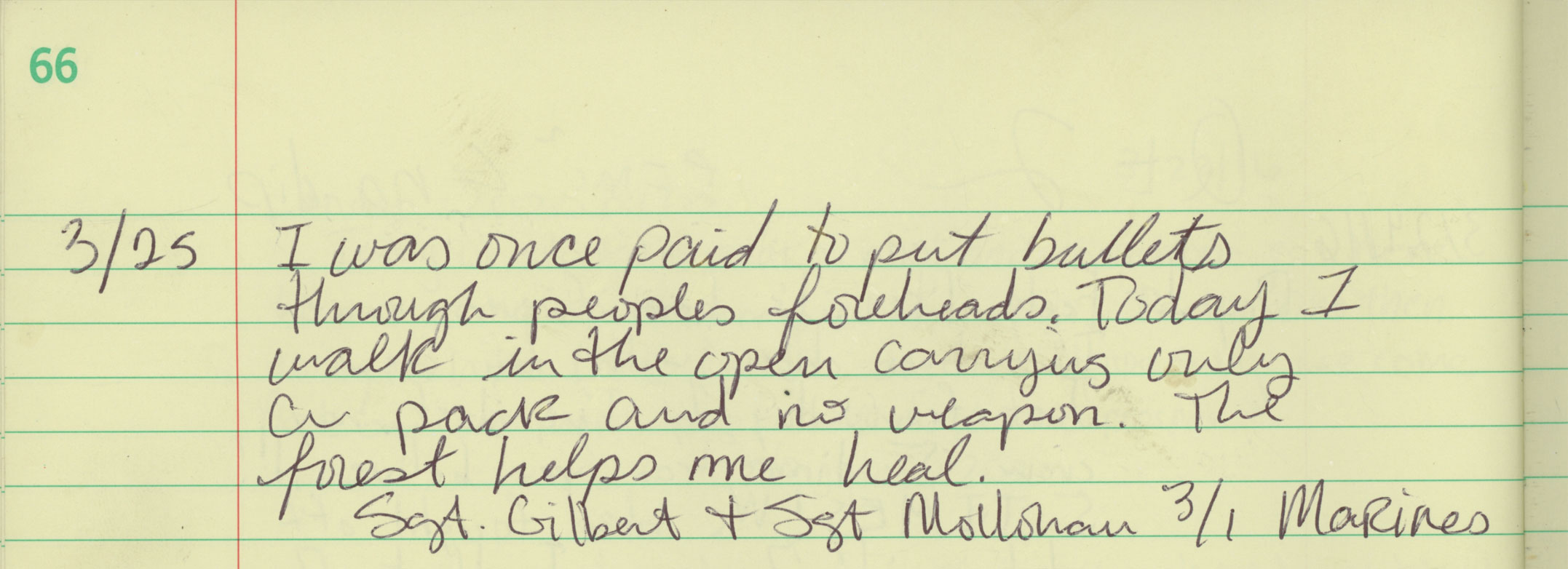
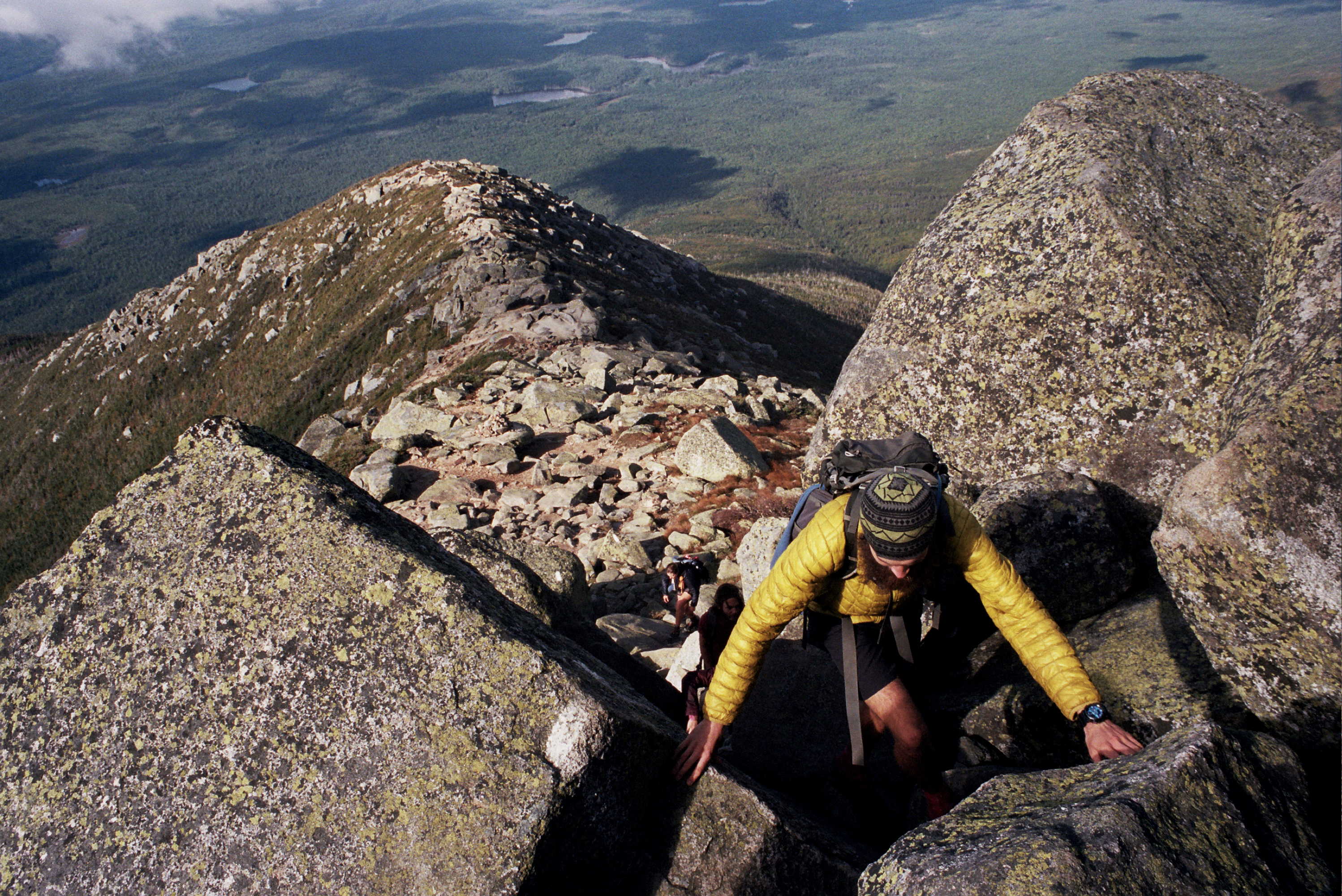
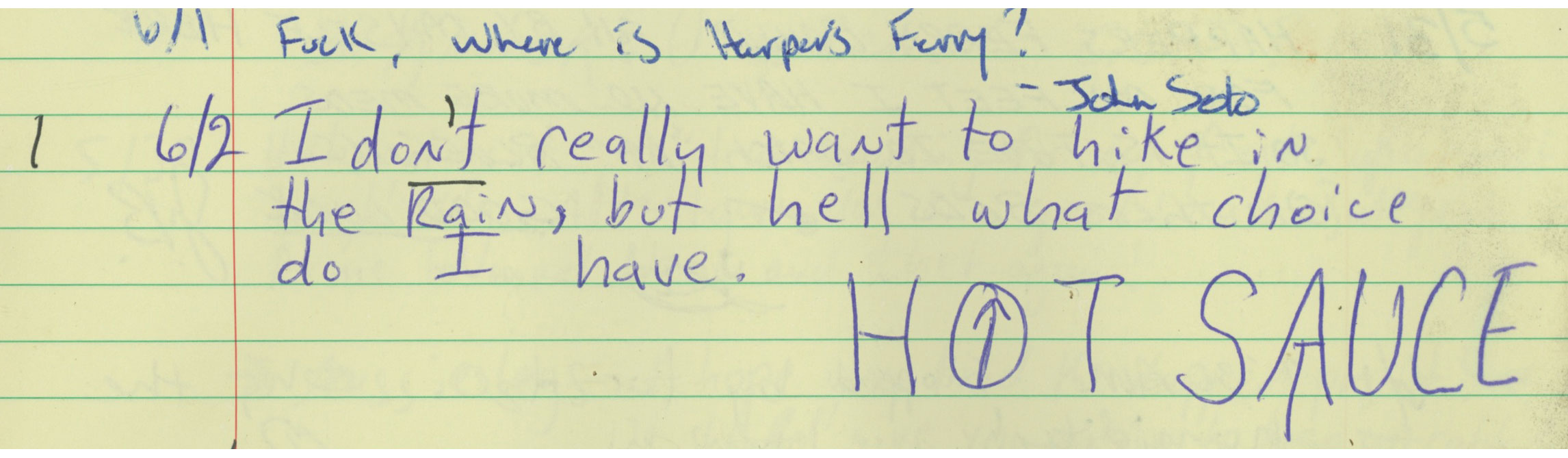
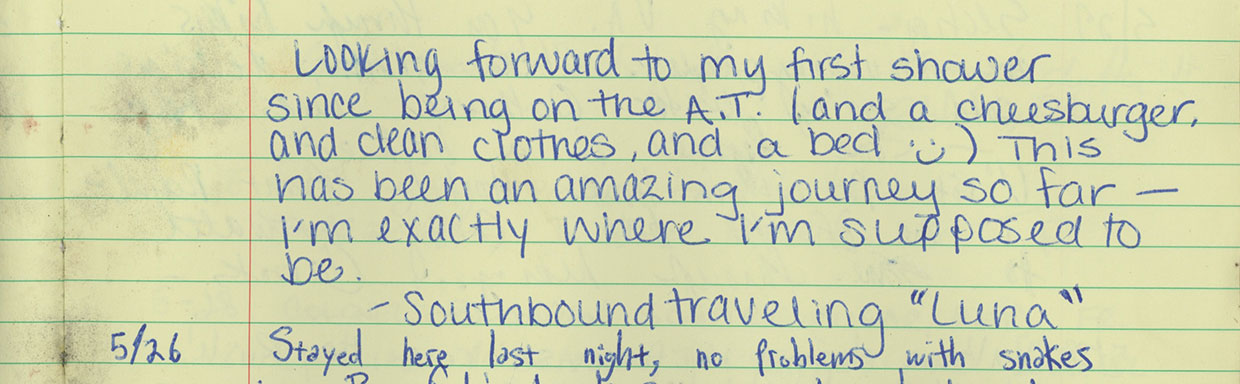
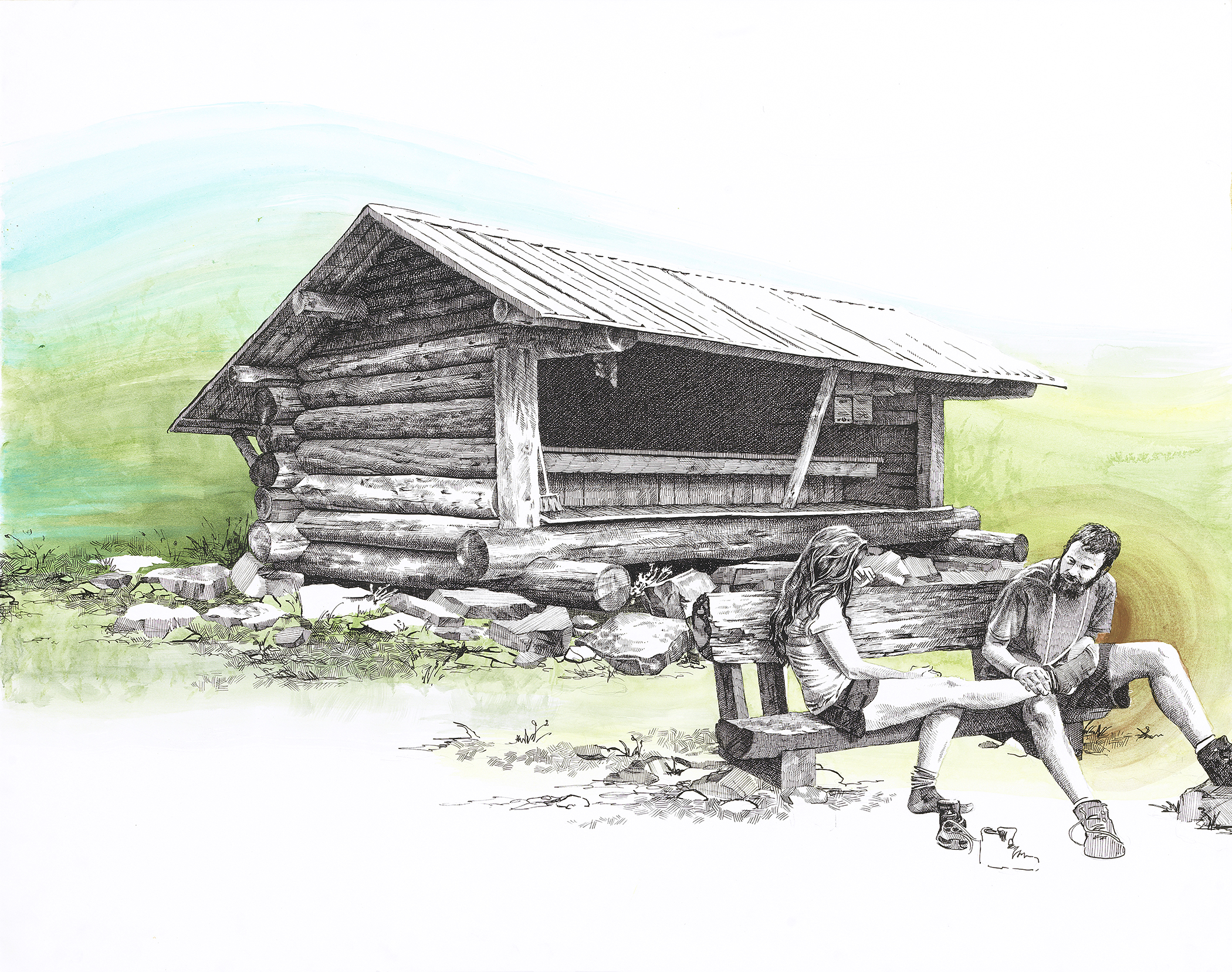
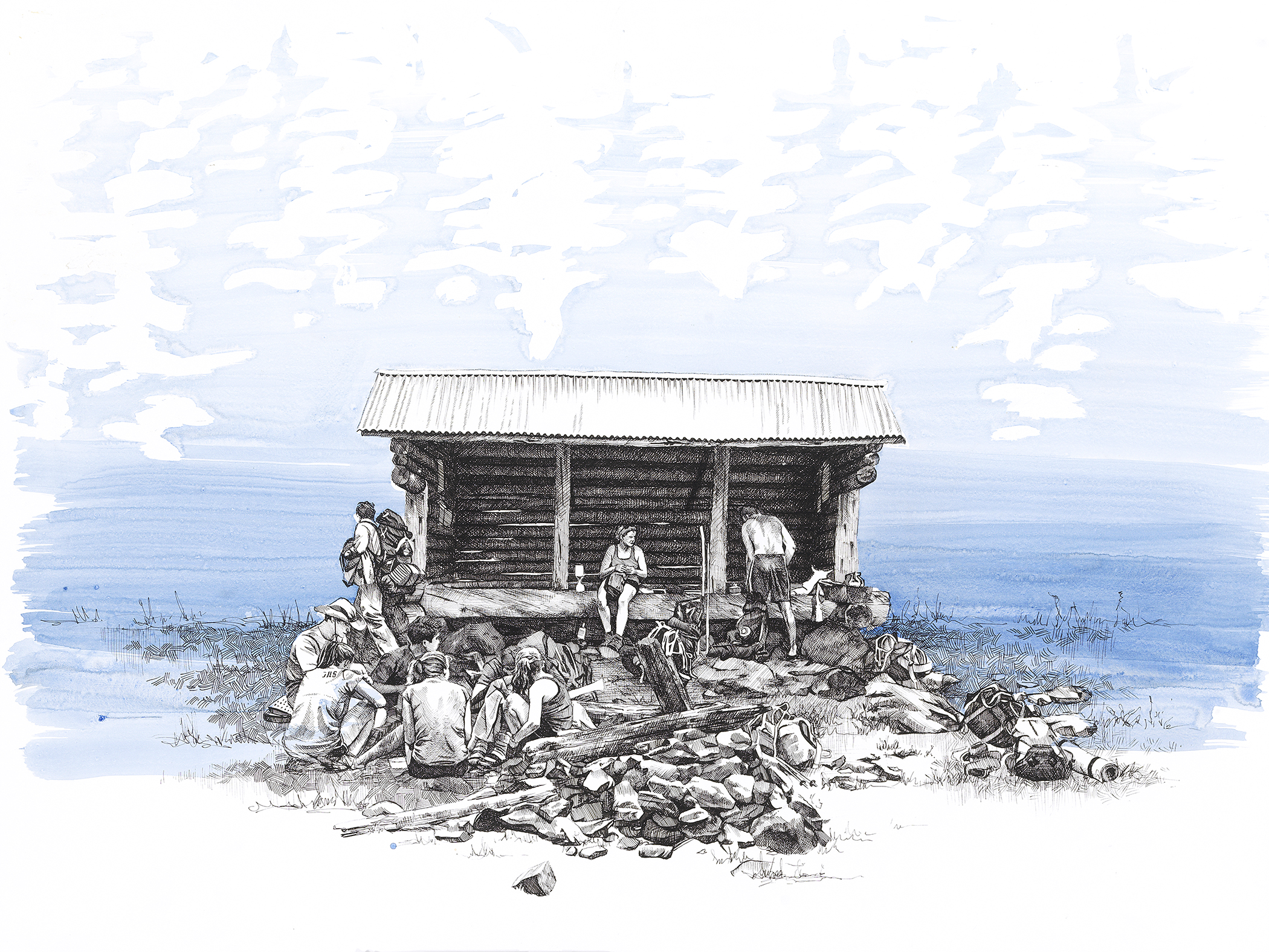
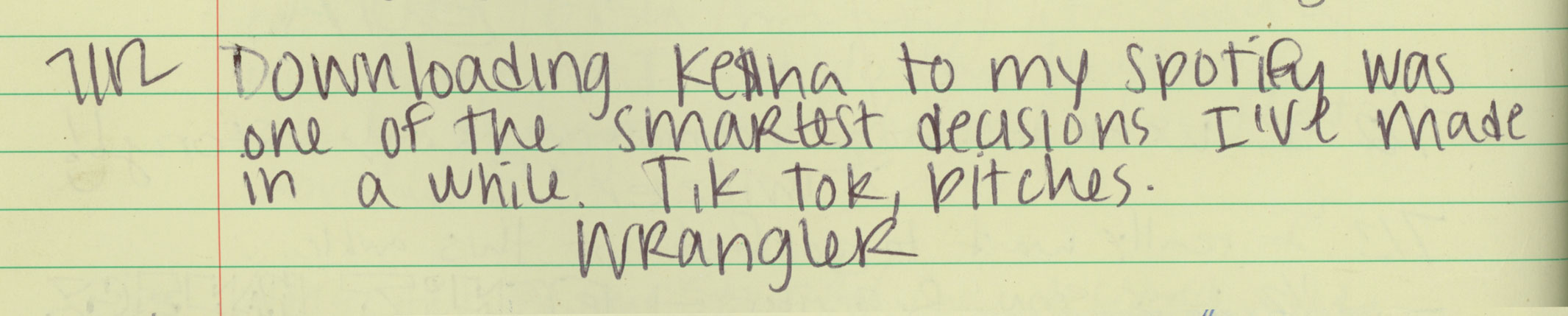
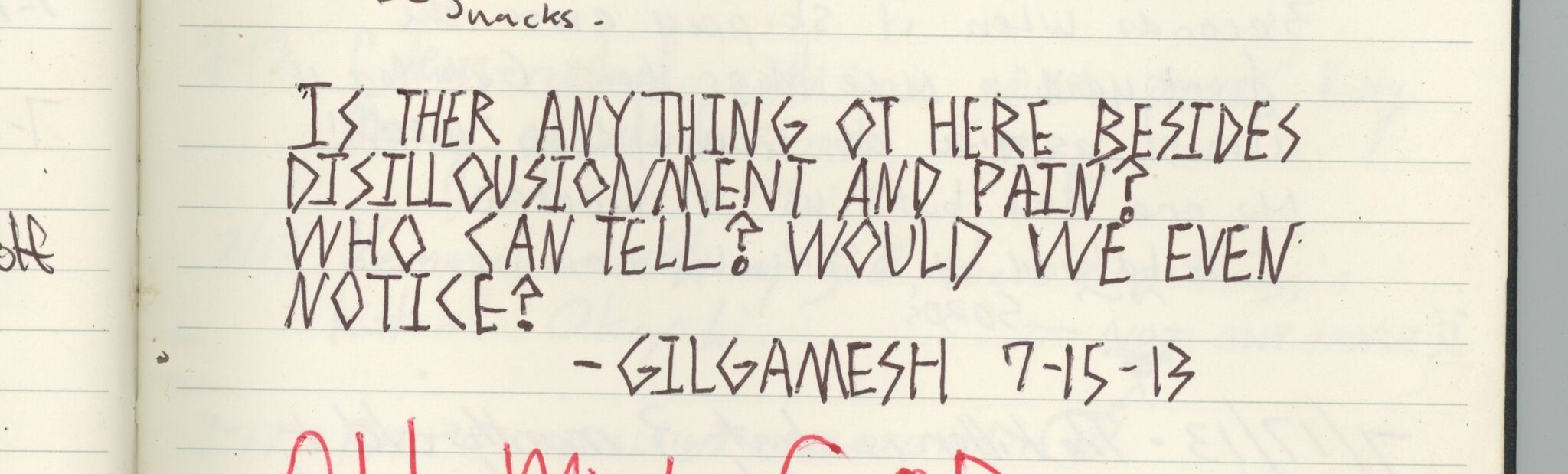
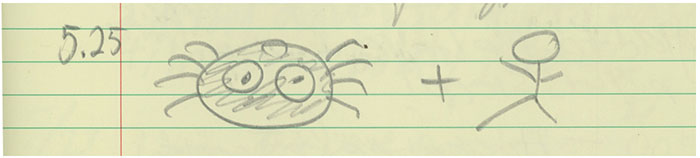
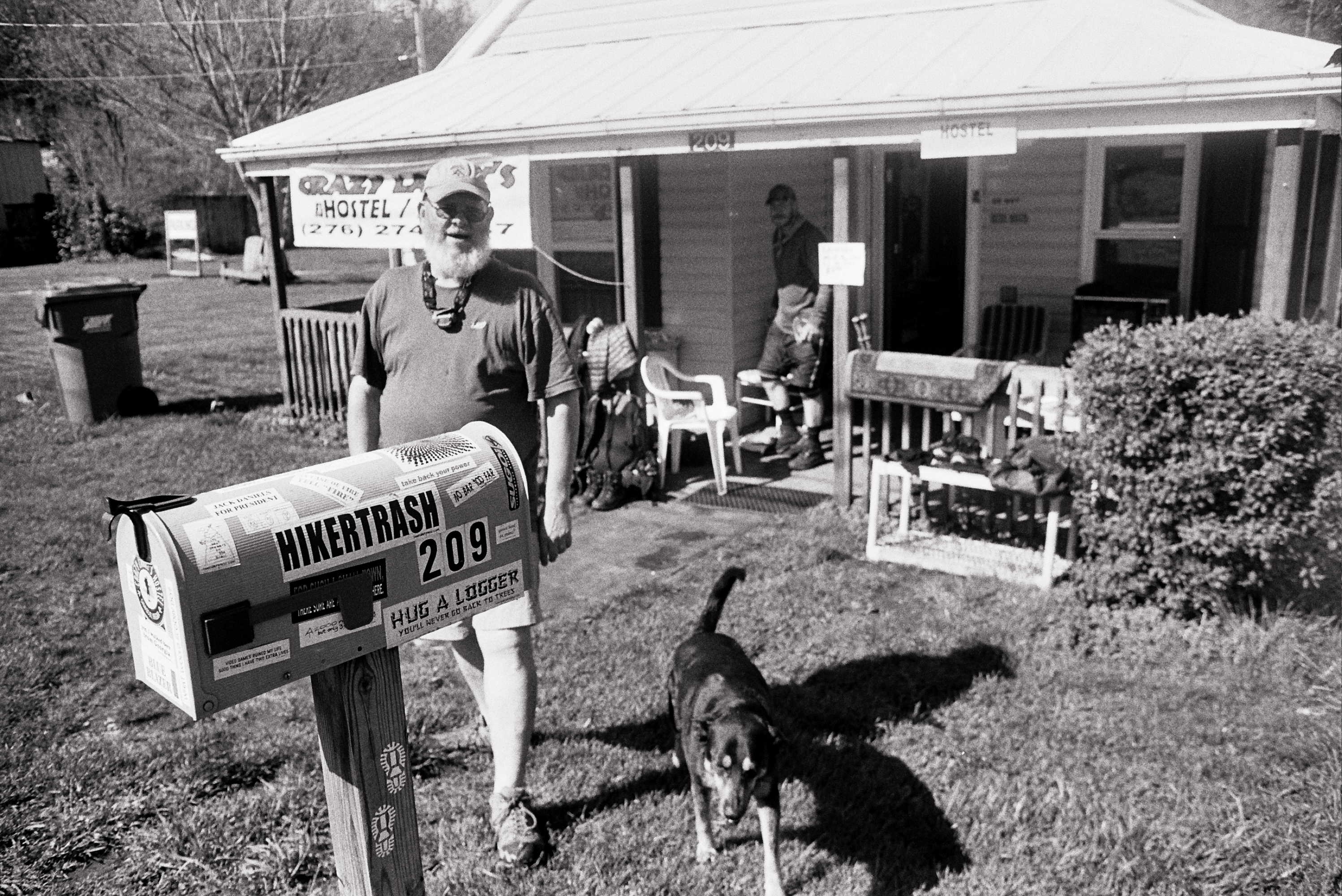
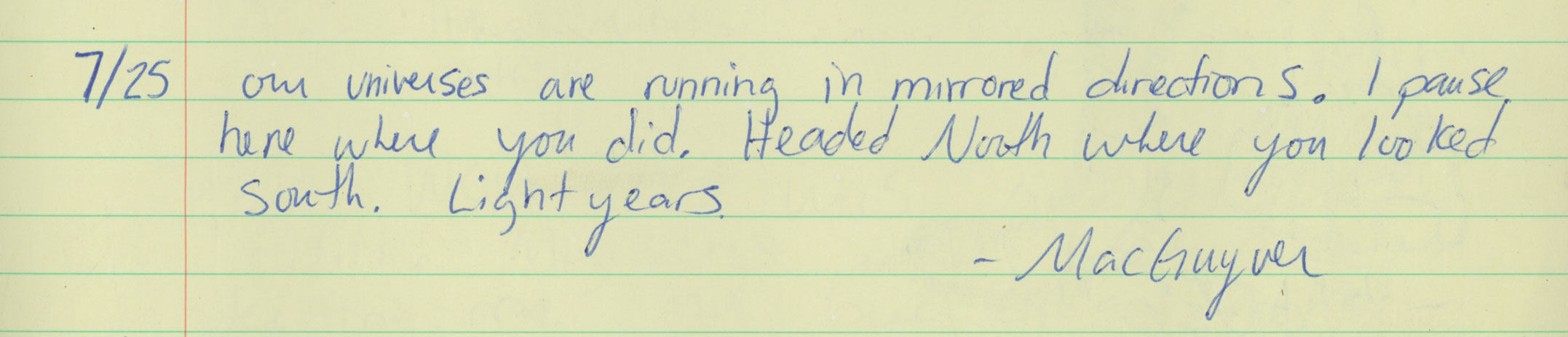
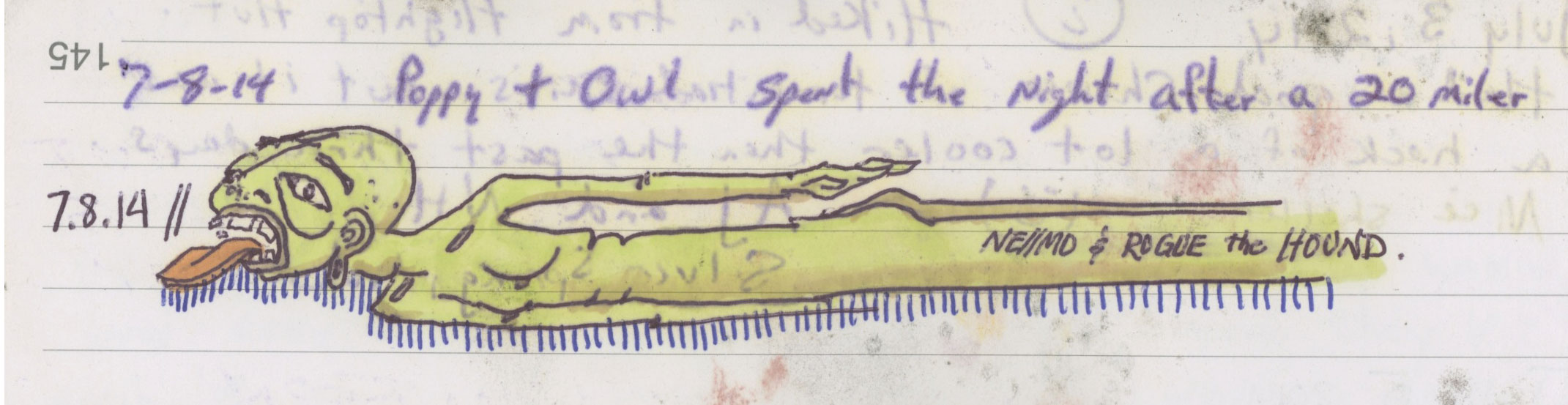
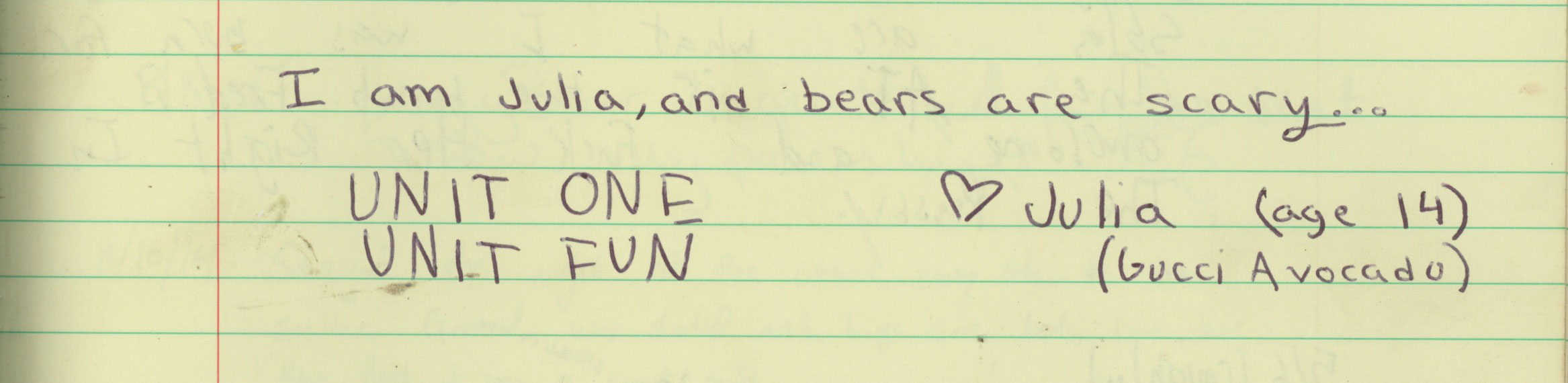
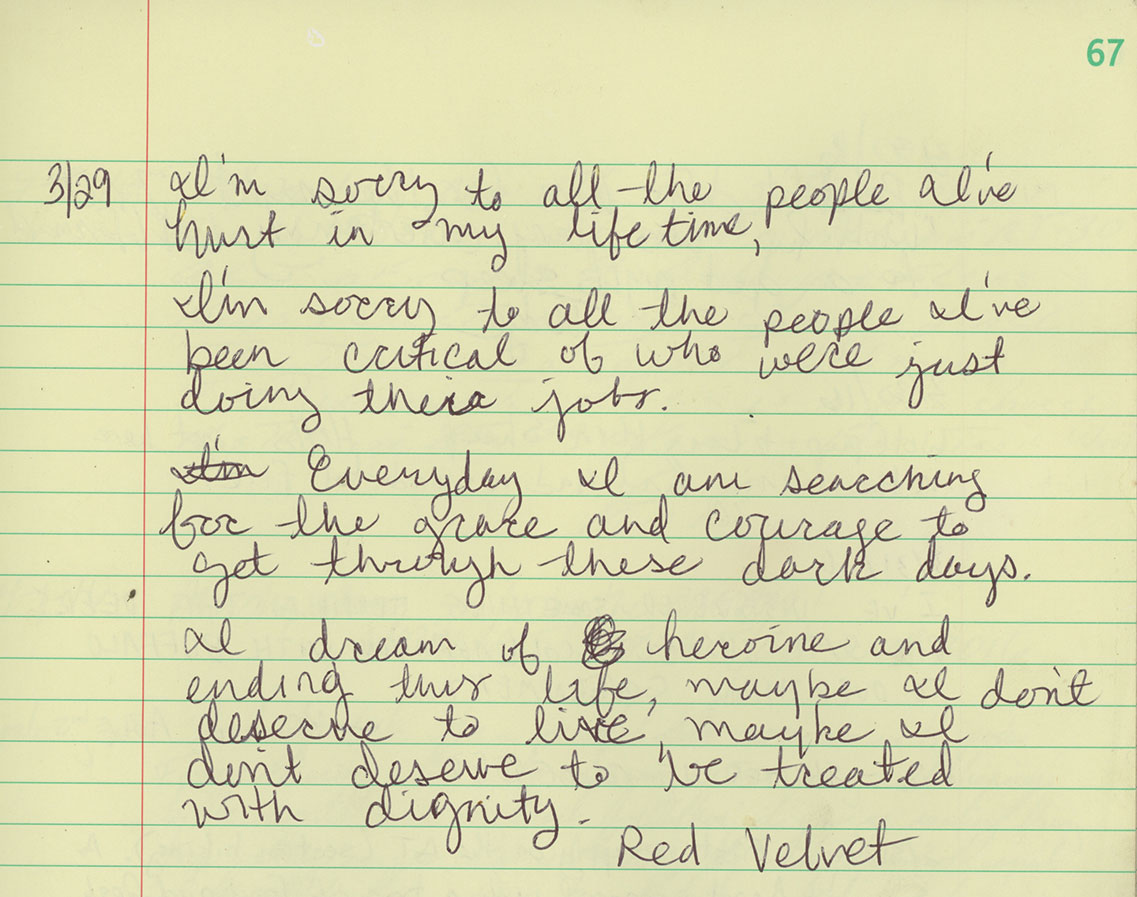
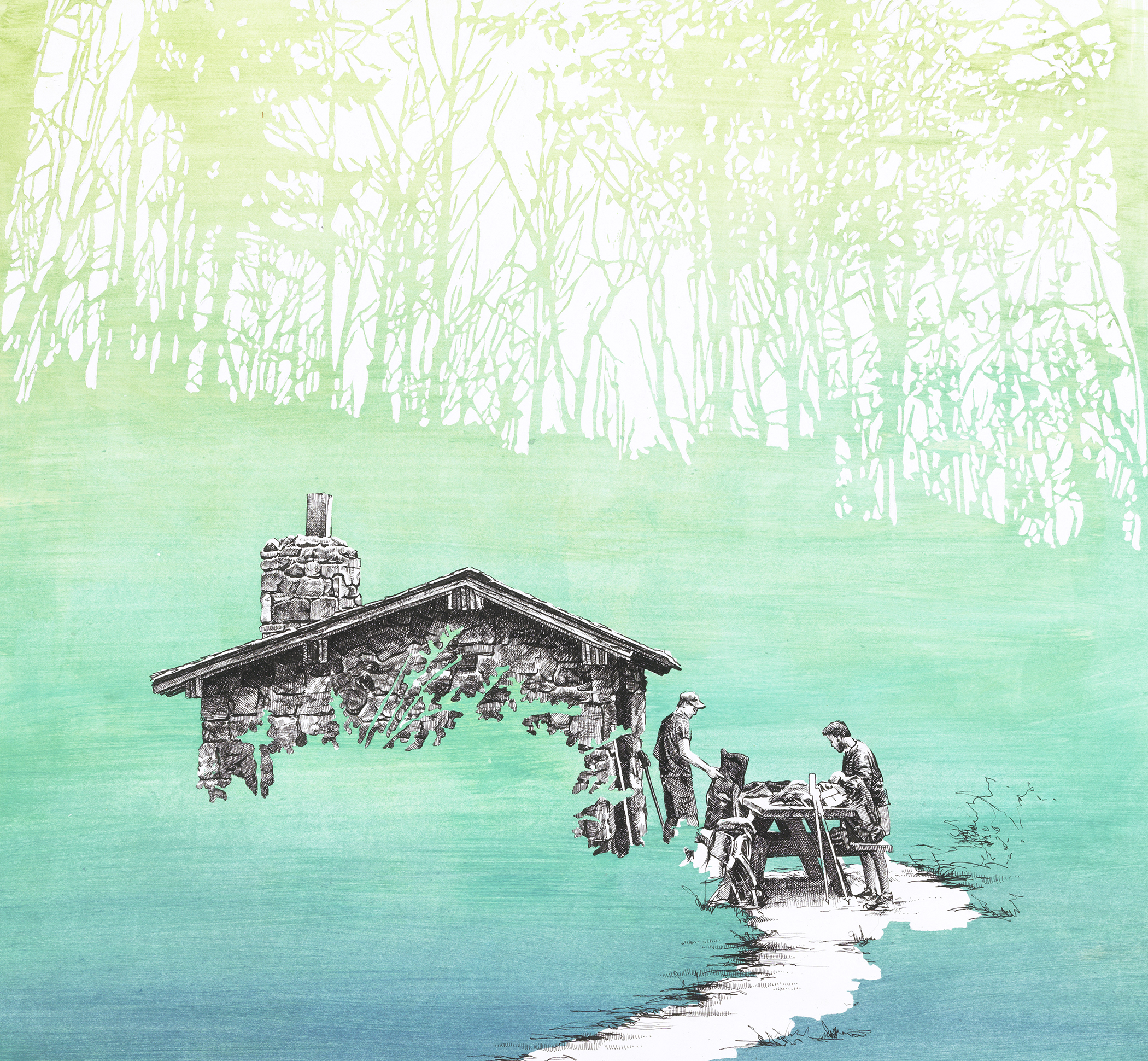
HIKER TRASH is a collage of long distance backpacking culture, offering a glimpse of an off-beat, diverse community through a collection of my original illustrations, photographs by Nicholas Reichard, and excerpts from hiker shelter logs collected from the archives of the Potomac Appalachian Trail Club. I thru-hiked the Appalachian Trail in 2015, consecutively walking approximately 2,200 miles from Springer Mountain, Georgia to Mount Katahdin, Maine.
This work is about the process of healing and the ways we seek and find shelter. This collection has recently been published by Mountaineers Books.
Available to order now, thanks for your support!
For trade orders, contact customerservice@mountaineersbooks.org
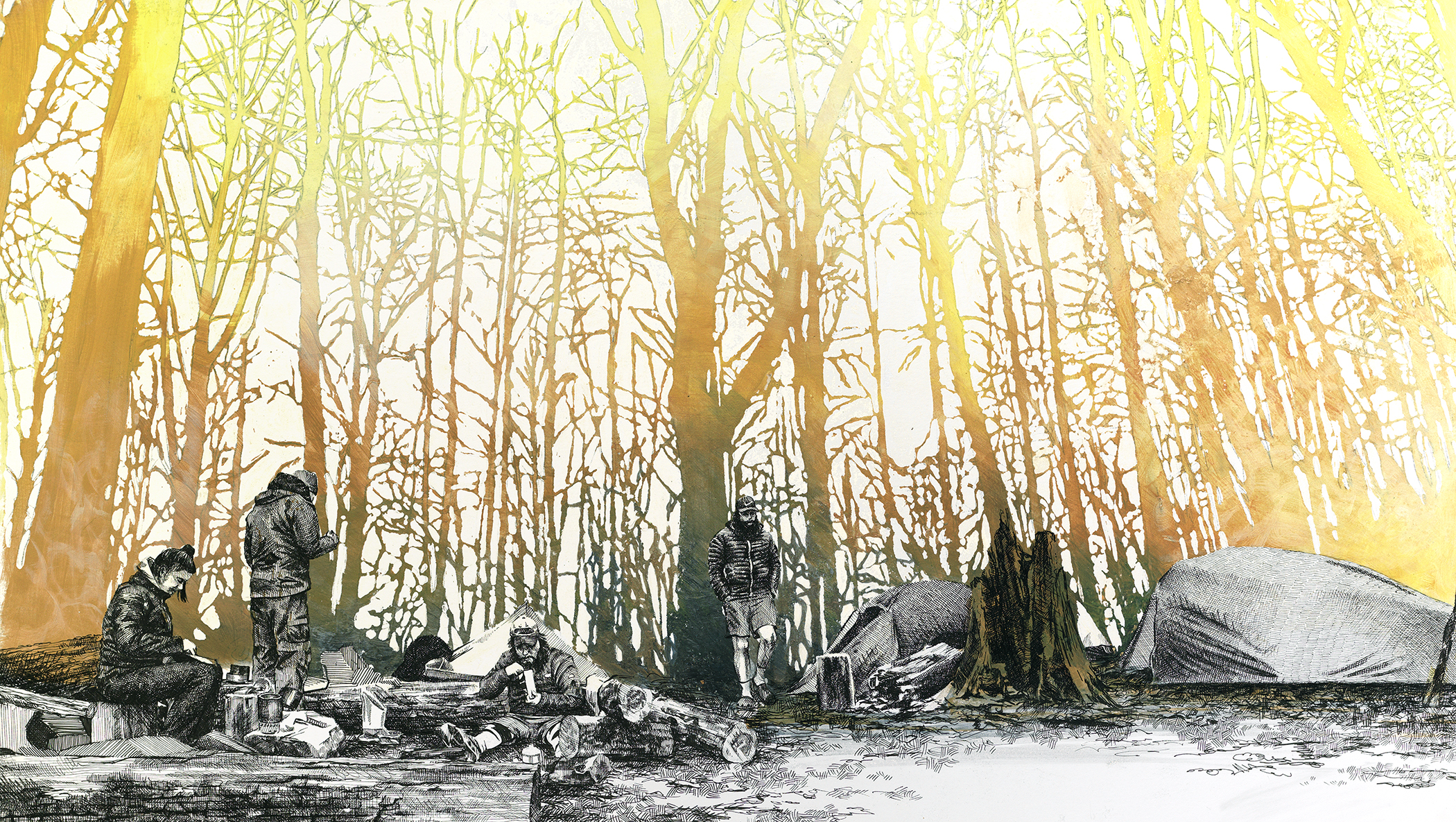
Ridgeline camp, somewhere in North Carolina.

Trail shelters are where you find and connect with the hiking community. These are the places where you'd break for lunch or spend the night, and almost always you were in the company of many other thru-hikers. The Appalachian Trail Conservancy explains "shelter life" this way:
There are more than 250 backcountry shelters located along the Appalachian Trail (AT) for backpackers on a first-served basis. Not only are they the best places to stay dry, but they reduce hikers' impact on the trail environment. A typical shelter, sometimes called a "lean-to," has an overhanging roof, a wooden floor and three walls. Most (but not all) are near a creek or a spring, and many have a privy nearby ... They are an average of about 8 miles apart, but can range from 5 miles to 15 miles apart, or even as much as 30 miles apart when there is a town with some sort of lodging in between.
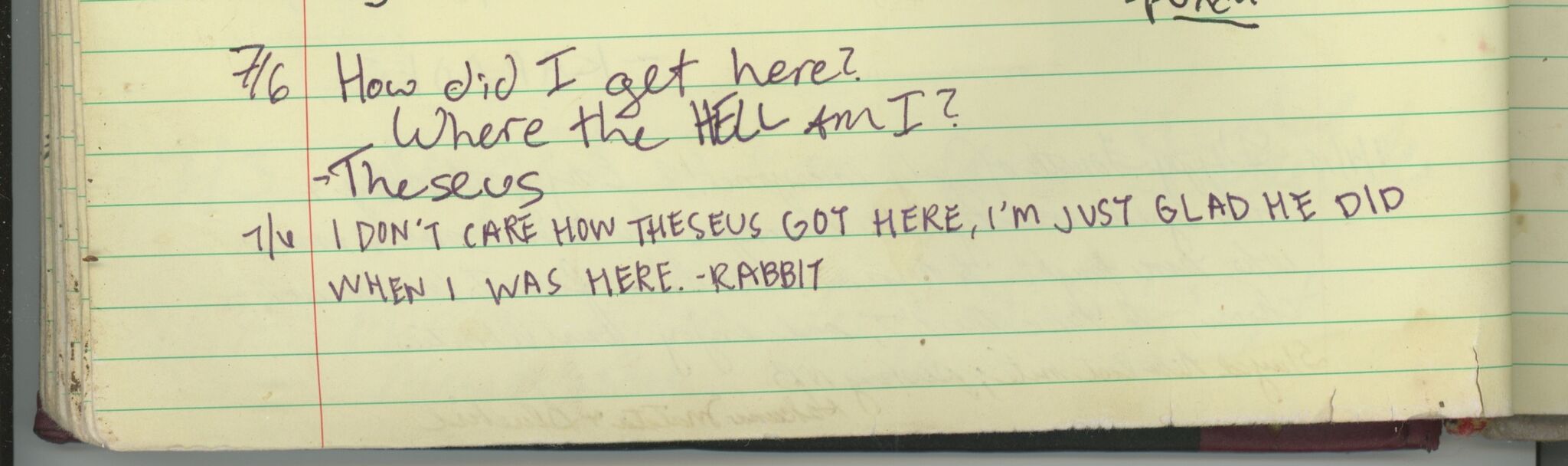
Hikers "check in" and record trail correspondence in the logbooks located in each shelter. The logbooks made for some excellent reading while you set up camp at the end of the day, and they also helped you keep track of your trail friends or other hikers you had met. With everyone moving at different speeds, the logs let you see where everyone was, find out whether or not they were still on the trail, and how fast you'd have to move if you wanted to catch them.
The Potomac Appalachian Trail Club generously granted me access to their archive so I could literally bring voices from the trail into this project. The PATC serves the Mid-Atlantic region of the trail, so the notes from these logbooks are primarily from thru-hikers approaching the halfway point of their journey.
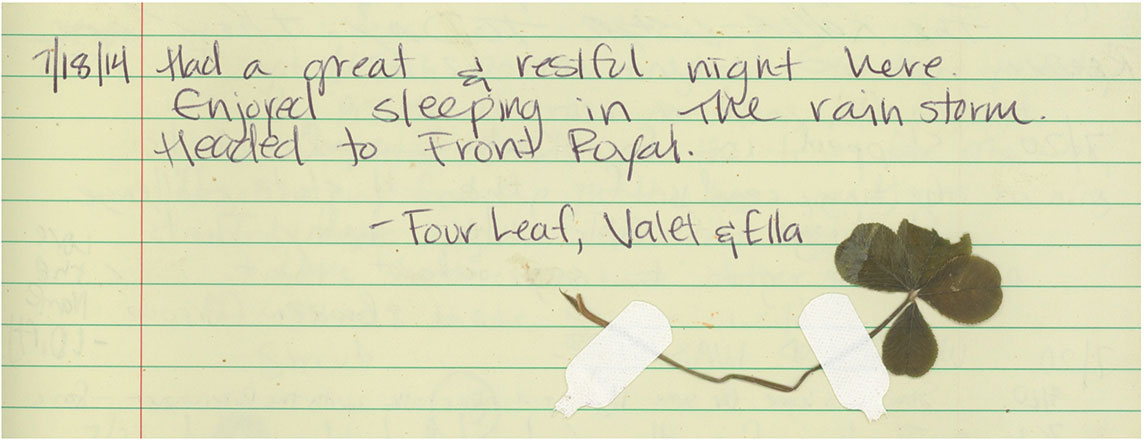
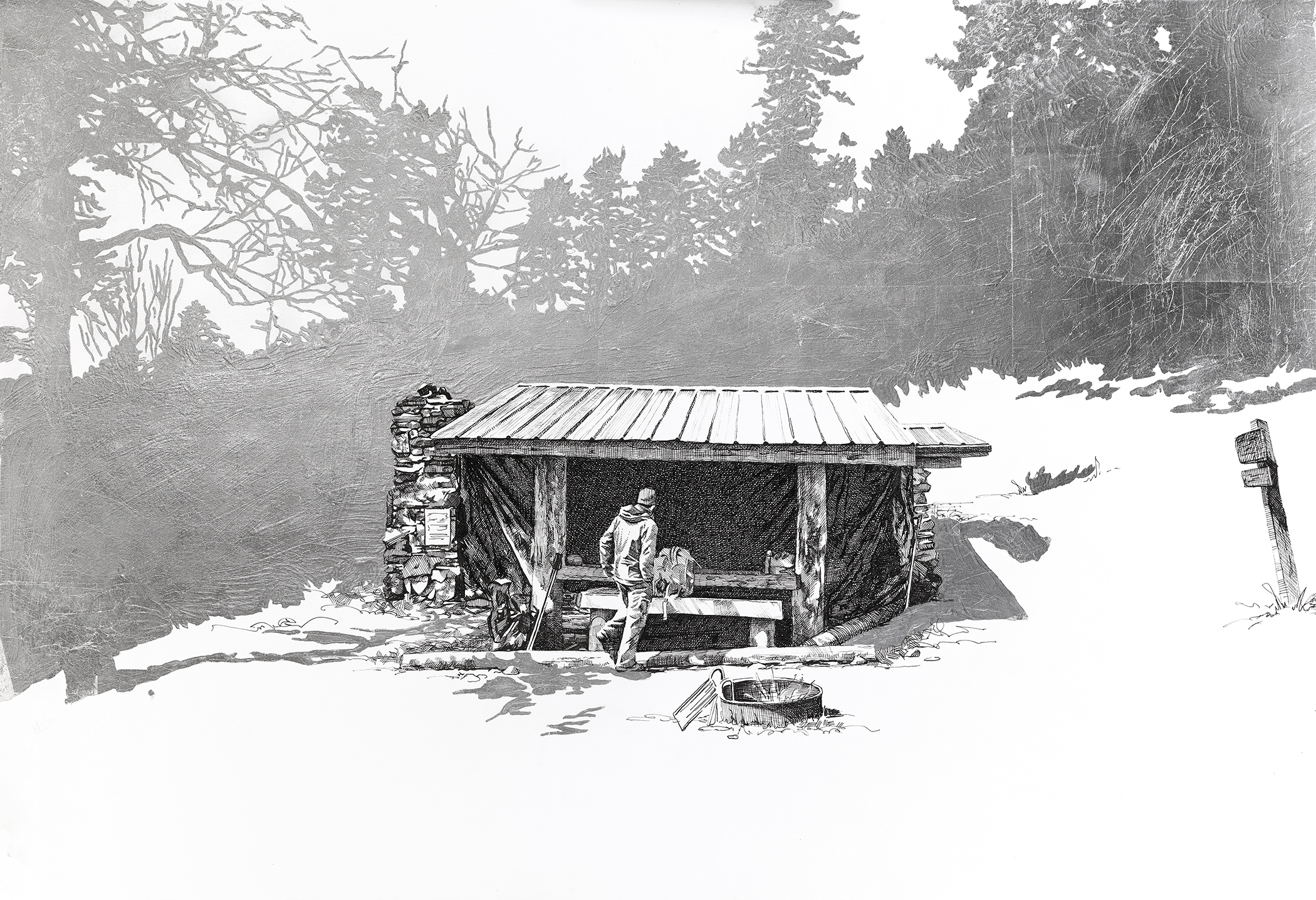
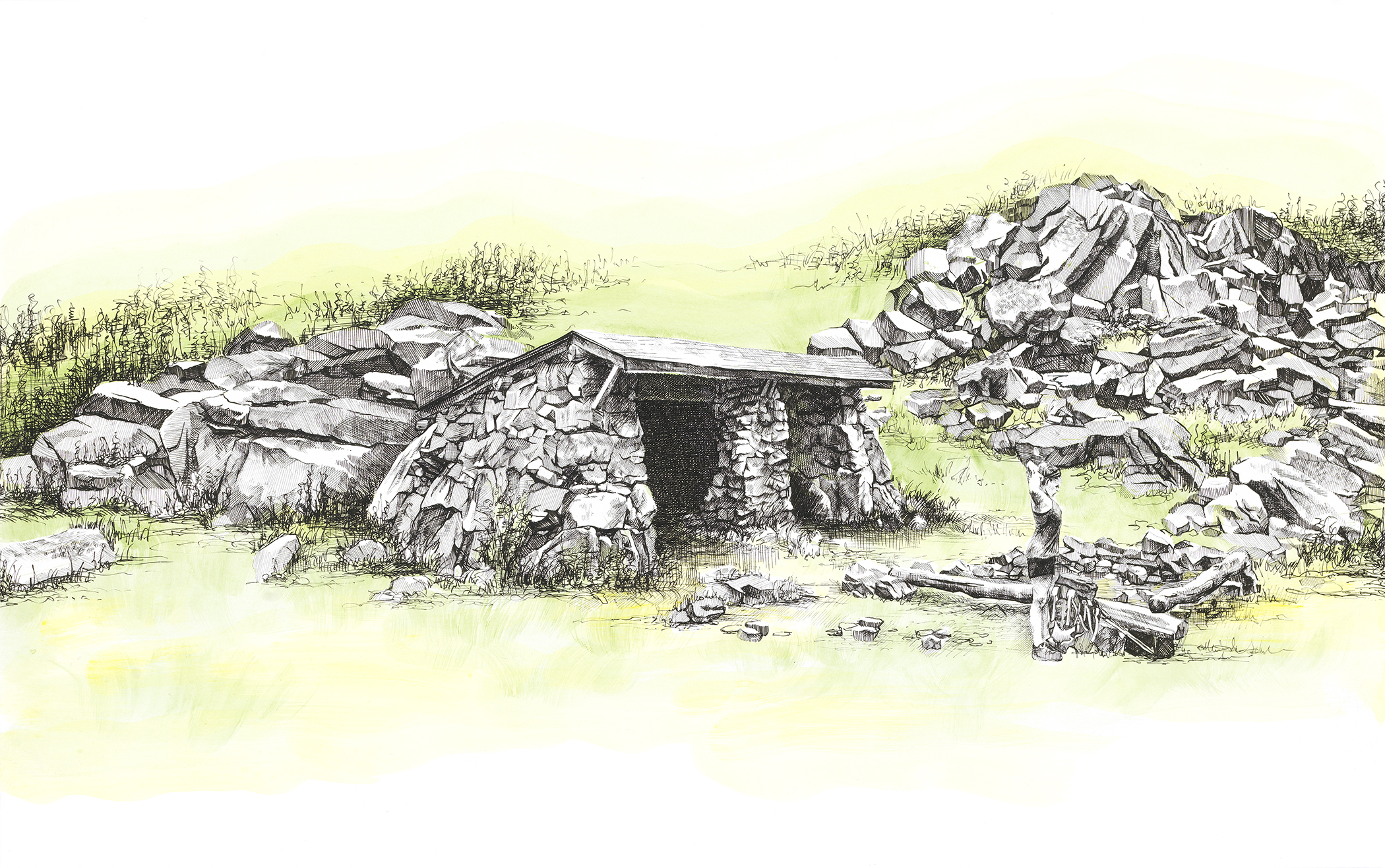
Tricorner Knob Shelter, North Carolina. [35.69375, -83.25653]. Pen and ink, acrylic.
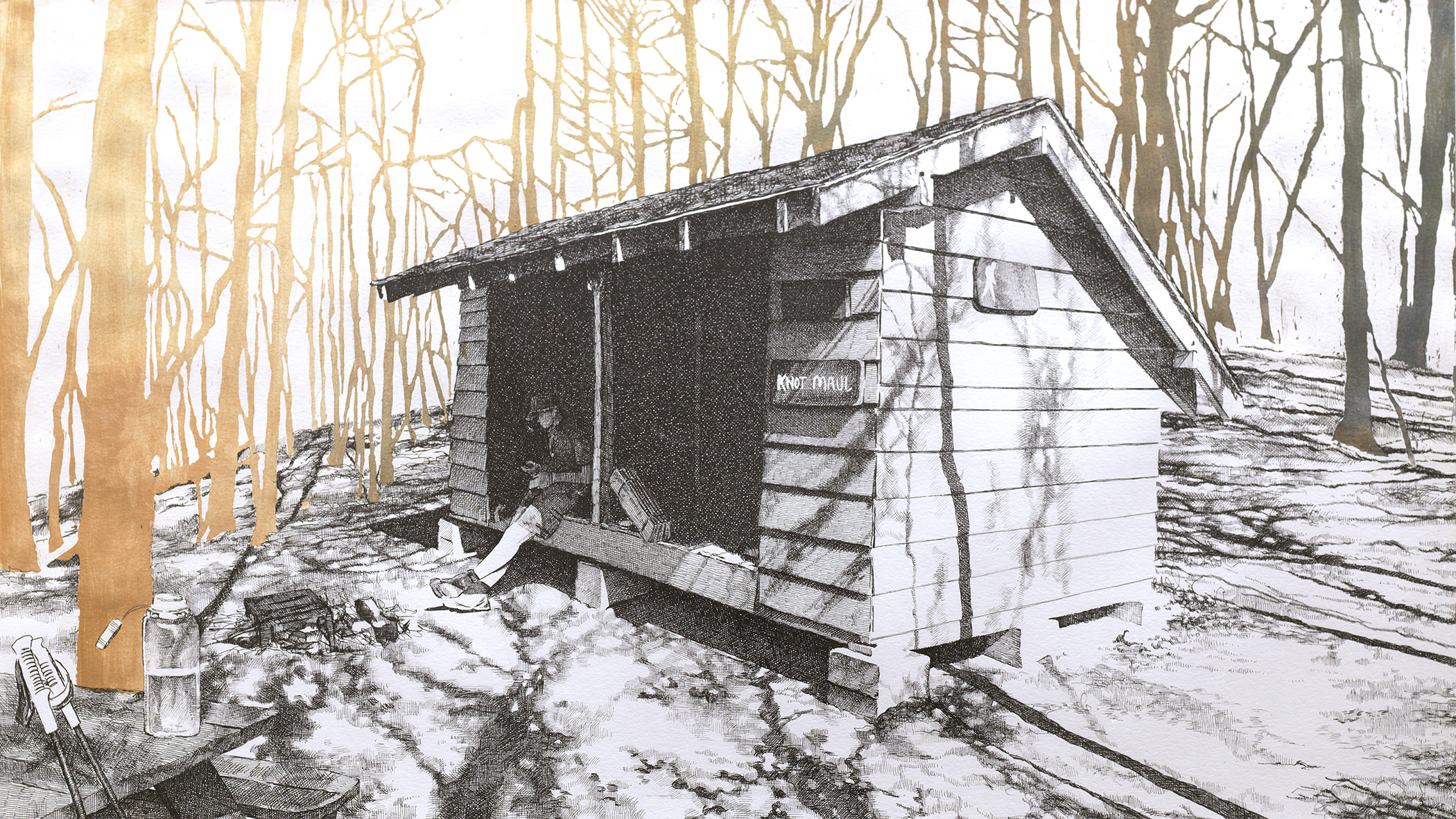
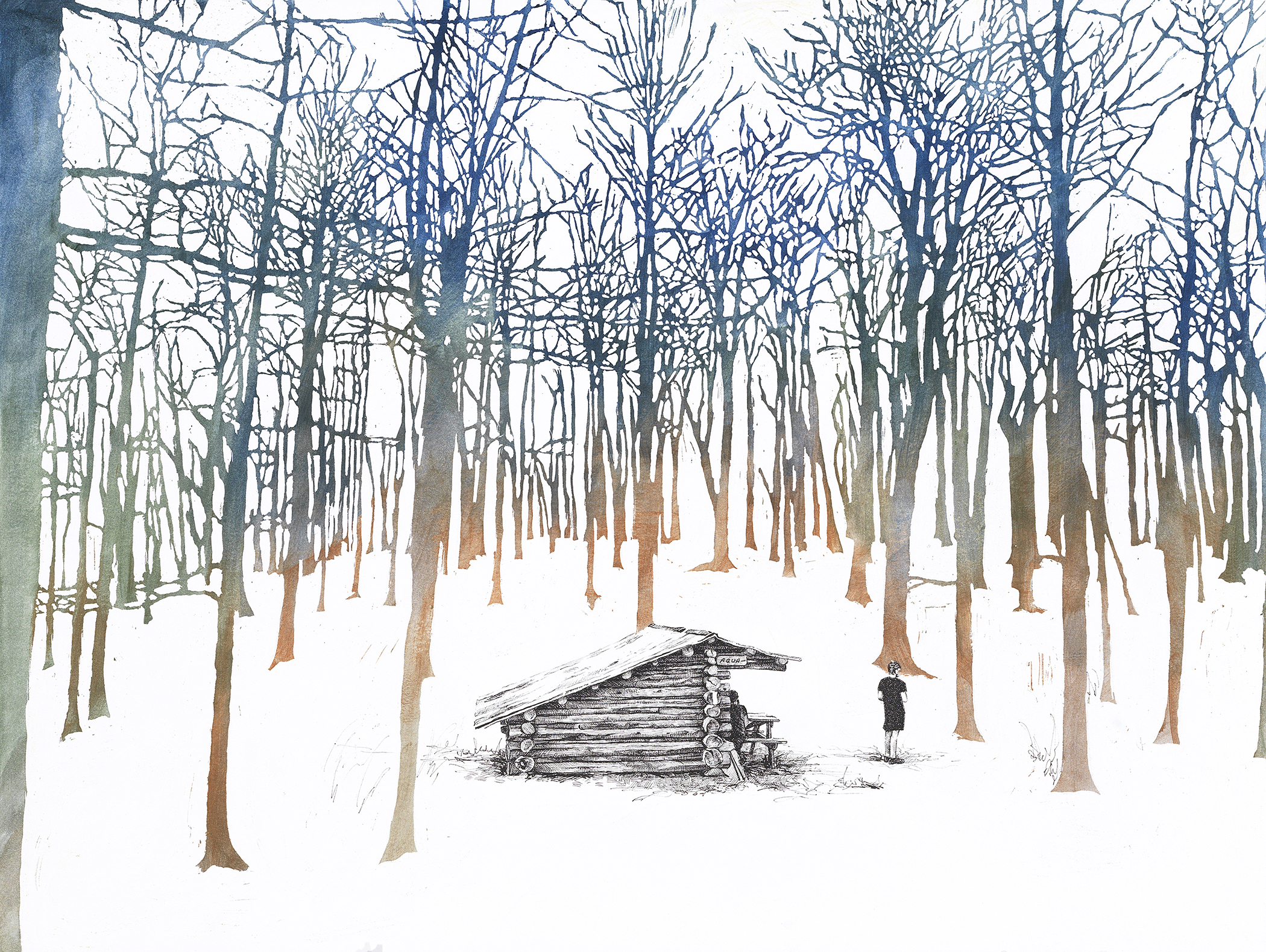
Knob Maul Shelter, Virginia. [37.0008, -81.40446]. Pen and ink, acrylic.